
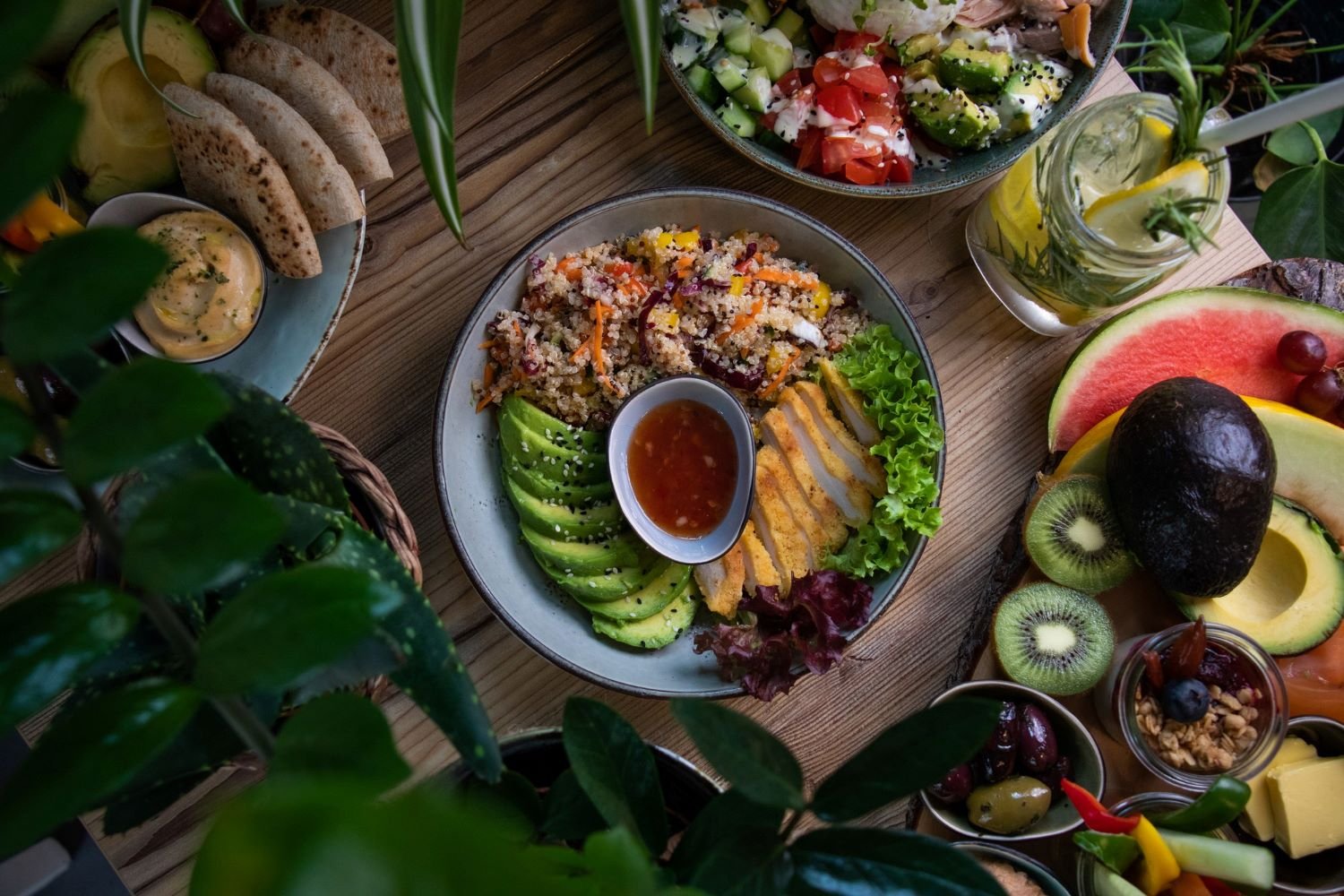
Vegan restaurants are creating new small business opportunities in America. As more people try plant-based eating, entrepreneurs are opening cafes, bakeries, food trucks, meal-prep services, and restaurants focused on vegan food.
A vegan business can attract several types of customers. Strict vegans want reliable animal-free meals. Vegetarians want more choices. Flexitarians may visit because they are curious or health-conscious. People with dairy or egg allergies may also benefit.
The strongest vegan restaurants usually focus on flavor, not only ethics. Customers return when the food tastes good. Popular menu items include vegan burgers, tacos, bowls, pizza, soul food, baked goods, smoothies, and desserts.
Food trucks can be a smart entry point because they often require less investment than full restaurants. Vegan bakeries can also do well by serving cakes, cookies, donuts, and pastries for events.
Marketing matters. Social media helps small vegan businesses show colorful food, announce specials, and build community. A strong online presence can attract customers quickly.
However, vegan businesses face challenges. Rent, labor, ingredients, and competition can be expensive. Some plant-based specialty products cost more than traditional ingredients. Owners must price carefully while keeping food affordable.
Location is important too. A vegan restaurant may succeed in a city with strong demand but struggle in areas where customers are unfamiliar with plant-based eating. Education and sampling can help.
Vegan small businesses are part of a larger food shift. They show that ethical eating can also create jobs and local economic activity.
The future of vegan restaurants depends on quality, affordability, creativity, and community support. If the food is delicious, people will come back.