
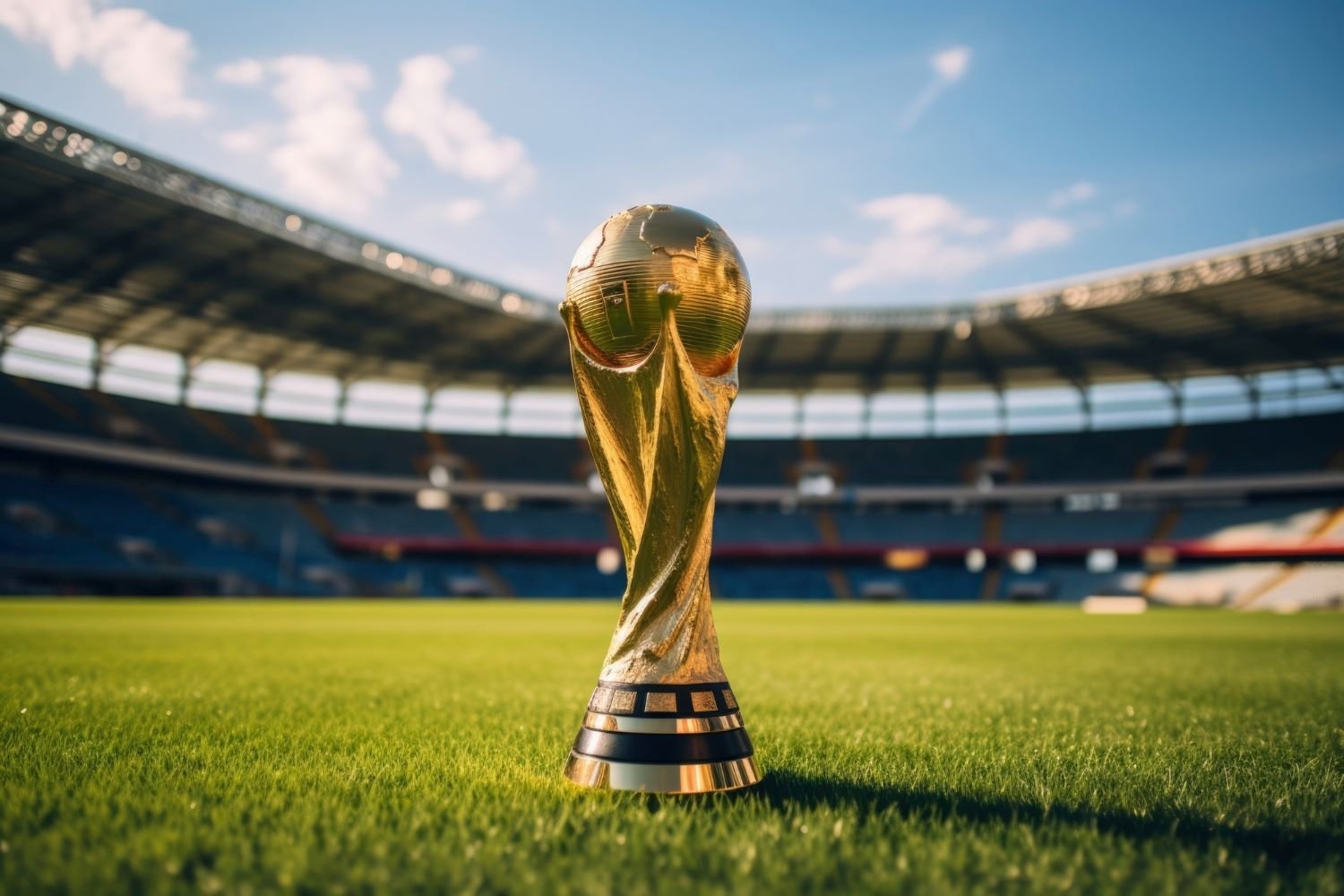
The 2026 FIFA World Cup could become one of the biggest sports moments in American history. The tournament will be hosted by the United States, Canada, and Mexico, and it will include 48 teams and 104 matches, making it the largest World Cup ever staged. ([Gabelli][3])
For the United States, this is more than a soccer tournament. It is a chance to introduce millions of Americans to the global passion of football, known in America as soccer. Host cities will welcome international fans, teams, media, sponsors, and tourists. Restaurants, hotels, airports, transportation systems, and local businesses may all benefit.
The World Cup arrives at an important time for American soccer. Major League Soccer has grown, youth soccer remains popular, and women’s soccer has built a strong tradition. Still, soccer competes with the NFL, NBA, MLB, NHL, and college sports for attention.
A successful World Cup could change that. Big tournaments create memories. A dramatic goal, a national team run, or a packed stadium can inspire new fans. Children who watch the tournament may become the next generation of players and supporters.
The event also highlights America’s diversity. Soccer connects immigrant communities, Latino fans, international students, suburban families, and global sports lovers. Few sports can bring so many cultures together.
There will be challenges too. Security, transportation, ticket prices, heat, travel distances, and city planning must be managed carefully. A tournament of this size requires strong organization.
If handled well, the 2026 World Cup can permanently raise soccer’s profile in the United States. It may not replace football or basketball, but it can become a stronger part of American sports culture.