
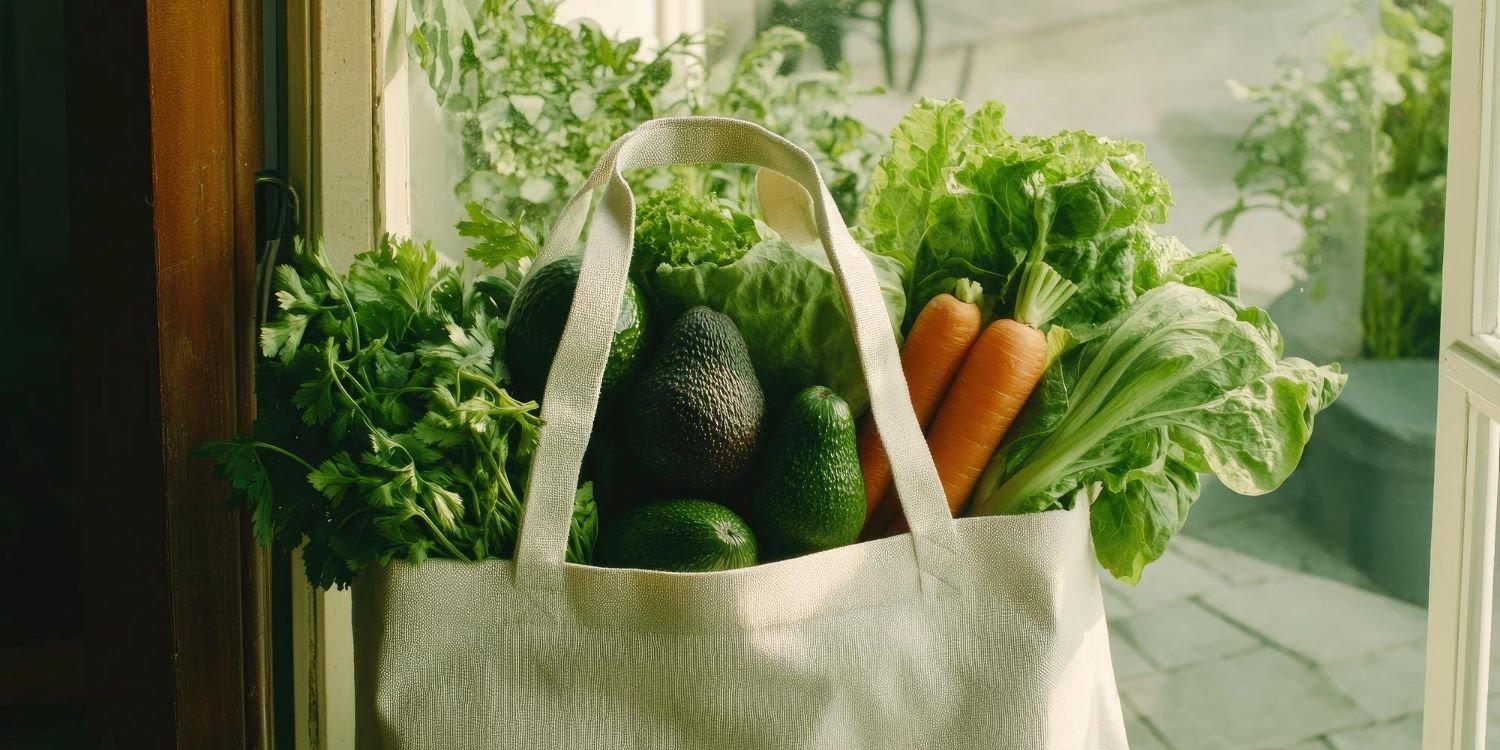
Vegan grocery shopping becomes easier with a clear plan. Many beginners feel confused because they focus on what they cannot eat. A better approach is to focus on all the foods that are available.
The first step is building a list of staples. Beans, lentils, rice, oats, pasta, potatoes, tofu, chickpeas, vegetables, fruits, nuts, seeds, peanut butter, plant milk, bread, and canned tomatoes can create many meals.
Reading labels is important. Some products contain milk, eggs, gelatin, honey, or animal-based ingredients. Common foods like bread, chips, sauces, cereals, and snacks may or may not be vegan depending on the brand.
Shopping around the outside of the store can help because produce, grains, and basic foods are often located there. However, canned and frozen sections are also valuable. Frozen vegetables and fruits are affordable and last longer.
Plant-based substitutes can be useful but should not dominate the budget. Vegan cheese, burgers, nuggets, and desserts are convenient, but they can be expensive. Whole foods are often cheaper and healthier.
Buying in bulk can save money. Rice, lentils, oats, beans, pasta, and nuts may cost less when purchased in larger amounts. Meal planning also prevents waste.
New vegans should try one or two new products at a time instead of changing everything overnight. This makes the transition easier and less expensive.
Flavor items are essential. Spices, sauces, herbs, lemon juice, garlic, soy sauce, hot sauce, and nutritional yeast can make simple meals delicious.
Vegan grocery shopping is not about perfection. It is about learning. Over time, shoppers discover favorite brands, easy meals, and affordable habits that fit their lifestyle.