
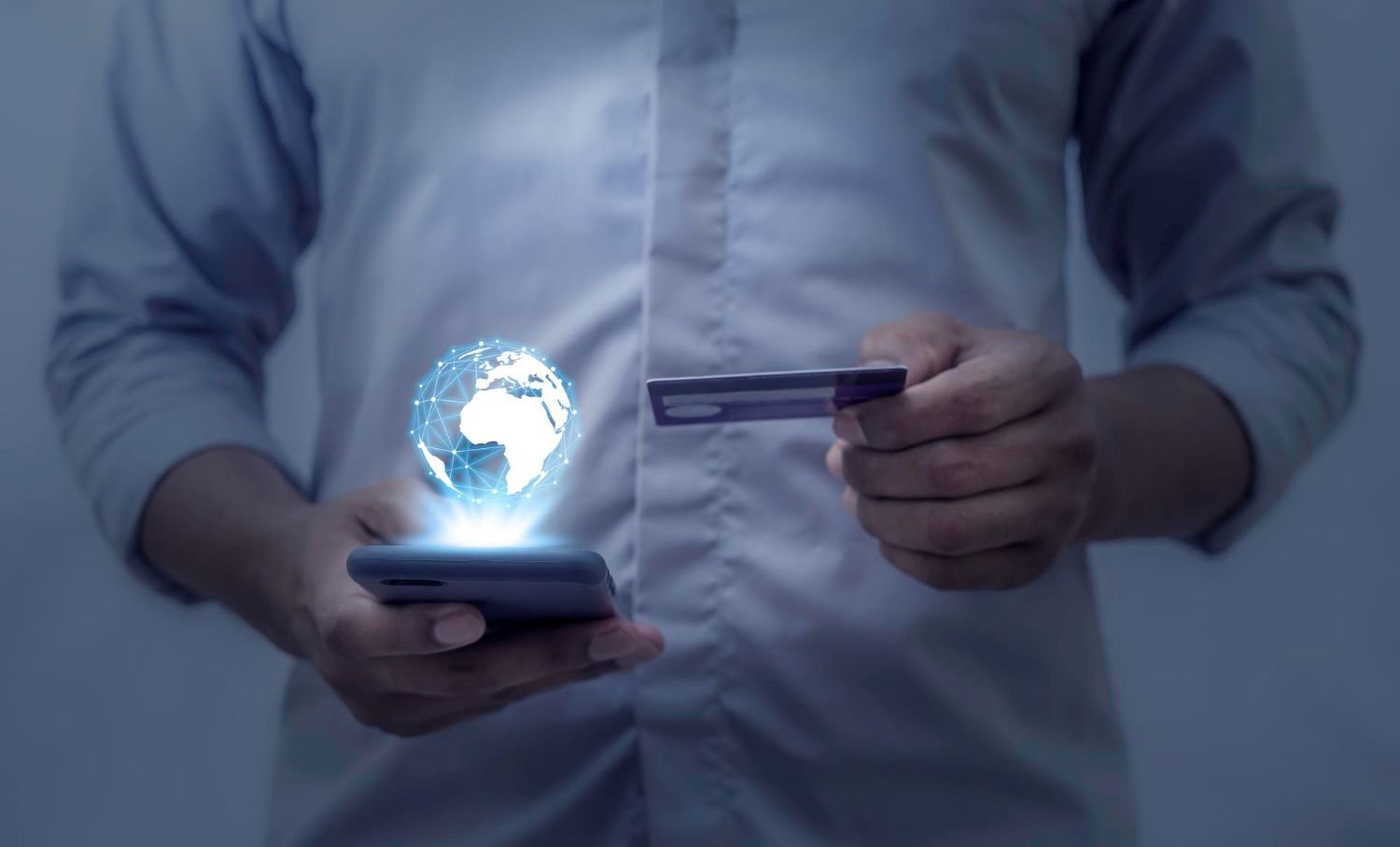
Digital payments are changing how Americans use money. Cash is still important, but many people now pay with credit cards, debit cards, mobile wallets, online transfers, and payment apps. Shopping, tipping, splitting bills, and sending money to friends can happen in seconds.
Digital payments are convenient. People do not need to carry large amounts of cash, and businesses can process transactions quickly. Online shopping depends heavily on digital payment systems. Mobile wallets also make checkout faster in stores and restaurants.
However, digital payments raise concerns. Fees can affect small businesses, especially when customers use credit cards. Payment apps can also create scams if users send money to the wrong person or trust fake sellers.
Privacy is another issue. Cash is anonymous, but digital payments create records. Companies, banks, and sometimes governments can see spending patterns. Some people worry that a fully cashless society would reduce personal freedom.
Digital payments can also exclude people. Not everyone has a bank account, smartphone, stable internet access, or good credit. If businesses stop accepting cash, low-income and elderly people may face problems.
Security is important. Fraud, stolen cards, hacked accounts, and fake payment requests are common risks. Consumers should use strong passwords, alerts, and trusted platforms.
Despite concerns, digital payments will continue to grow. Younger Americans are especially comfortable using apps and contactless payments. Businesses also prefer speed and tracking.
The future of money in America may be mostly digital, but cash still has value. A fair system should offer convenience without excluding people.
Digital payments show how technology changes everyday life. Even the simple act of buying coffee now reflects larger questions about privacy, access, and trust.