
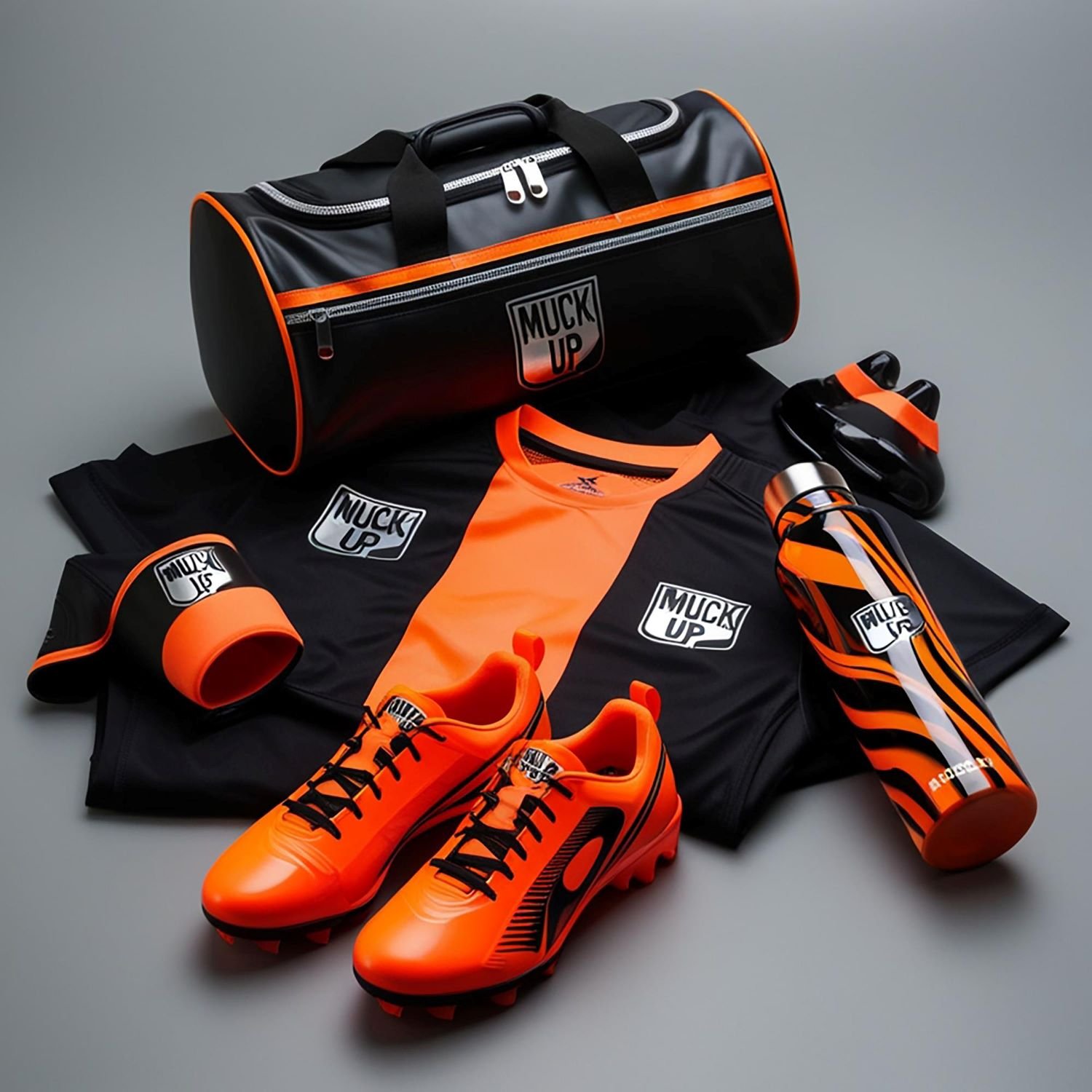
Sports merchandise is a major part of American fan culture. Jerseys, hats, hoodies, flags, shoes, posters, trading cards, and collectibles allow fans to show loyalty to teams and players. Wearing a team logo is more than fashion; it is identity.
Fans buy merchandise for many reasons. Some want to support their favorite team. Others want to feel connected to a city, school, or family tradition. A jersey can represent childhood memories, hometown pride, or admiration for a star athlete.
Sports merchandise is also big business. Teams and leagues earn money from licensed products. Popular players can drive huge merchandise sales, especially when they change teams, win championships, or become cultural icons.
Fashion and sports are now deeply connected. Team hats and jerseys are worn not only at games but also in everyday streetwear. Some people wear sports gear because it looks stylish, even if they are not serious fans.
Collectibles are another important area. Trading cards, signed balls, limited-edition shoes, and memorabilia can become valuable. Online marketplaces have made collecting easier but also more competitive.
Merchandise also helps build community. When fans see someone wearing the same team logo, it can start conversations and create instant connection. On game day, stadiums become seas of matching colors.
However, merchandise can be expensive. Authentic jerseys and limited products may cost a lot. Counterfeit goods are also a problem because they hurt official businesses and may be poor quality.
Sports merchandise shows that fandom is emotional. People do not only watch games; they carry their teams into daily life.
In America, a team logo can say where someone is from, who they support, and what memories they value.