
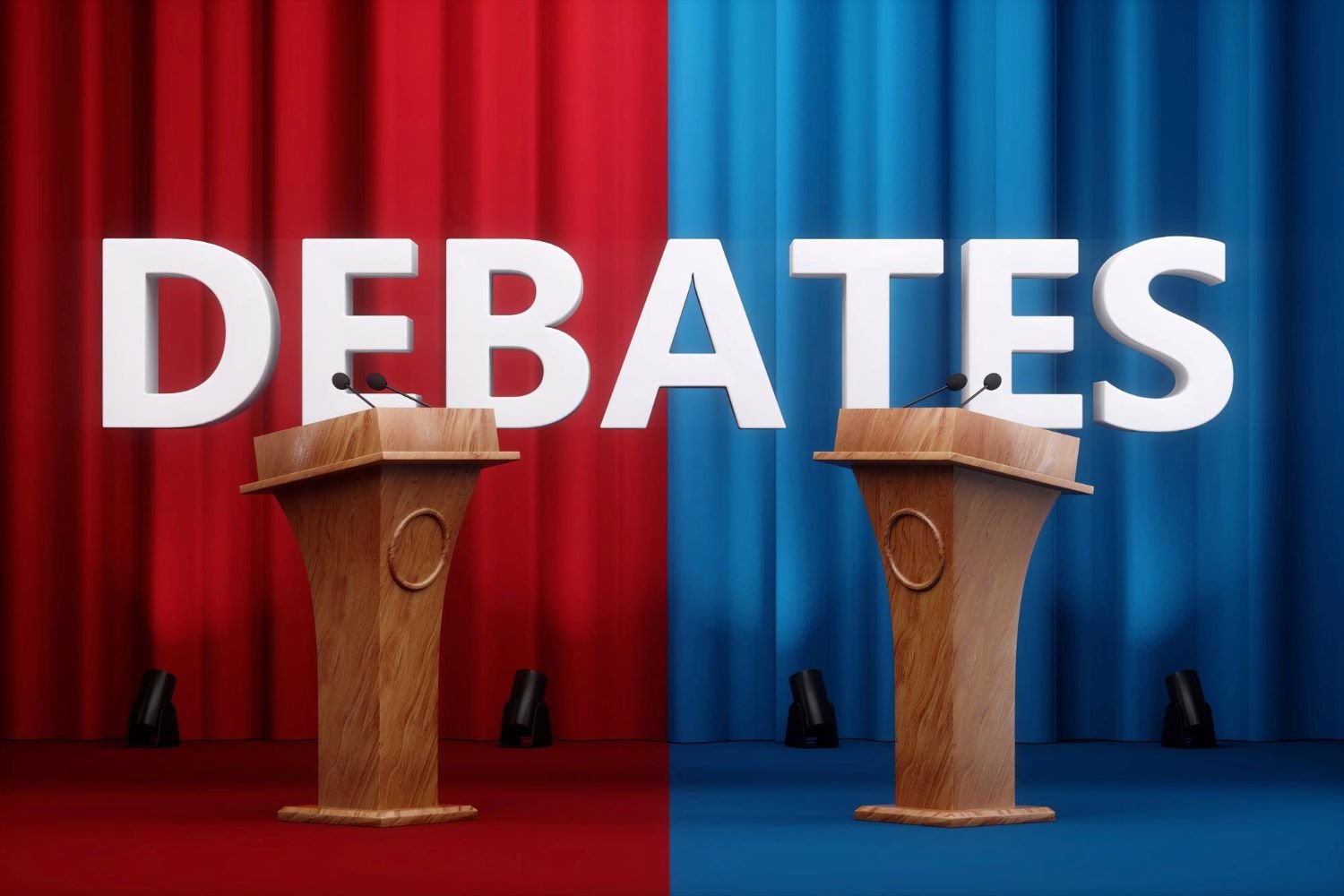
Political debates are a major part of American election culture. They give voters a chance to see candidates answer questions, defend policies, and react under pressure. A strong debate performance can help a campaign, while a weak performance can damage public confidence.
Debates matter because they show more than prepared speeches. Candidates must respond quickly, explain their ideas, and handle criticism. Voters can judge their communication style, confidence, knowledge, and temperament.
However, modern debates are not always focused on policy. Sometimes they become emotional, personal, or theatrical. Candidates may use short attacks, jokes, or dramatic moments to create clips for social media. These moments can spread faster than detailed policy explanations.
For undecided voters, debates can be useful. A person who does not follow politics closely may watch a debate to compare candidates directly. They may ask: Who seems prepared? Who understands ordinary people? Who has realistic plans?
Debates also reveal differences between parties. Issues like taxes, immigration, foreign policy, abortion, crime, climate, education, and health care often show clear contrasts.
Critics argue that debates reward performance over substance. A candidate may look confident without giving strong answers. Another may have better policy ideas but lack charisma. This creates a challenge for voters.
The best way to watch a debate is carefully. Citizens should listen not only to style but also to facts, plans, and honesty. They should check claims afterward instead of believing everything immediately.
Political debates do not decide every election, but they can influence momentum. In a close race, one debate moment can become a national story.