
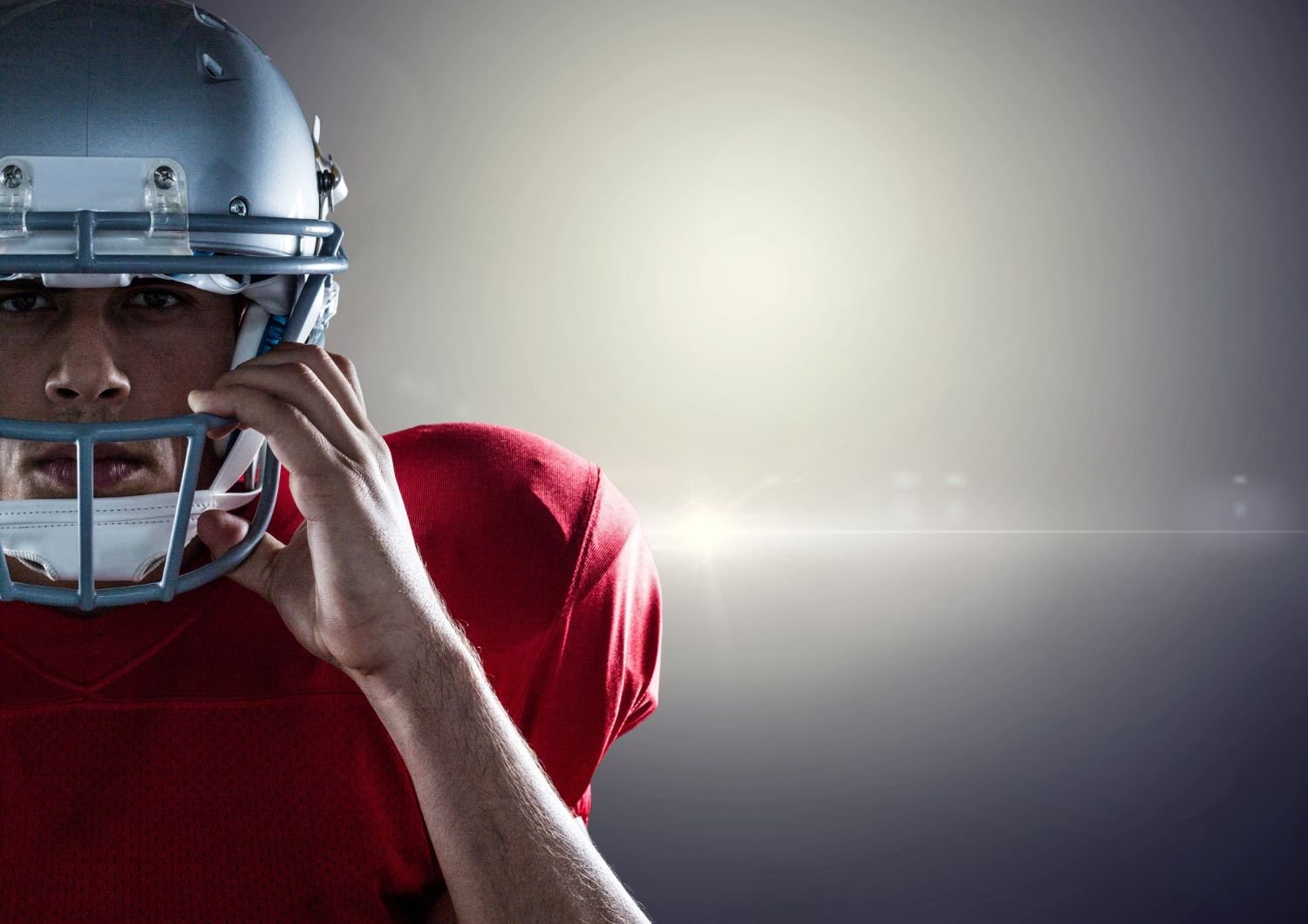
Player safety is one of the biggest issues in American football. The NFL is the most popular sports league in the United States, but football is a physically intense game. Big hits, concussions, knee injuries, shoulder injuries, and long-term health concerns have forced the league to make safety a major priority.
Fans love football because of its speed, strategy, toughness, and drama. But the same physical contact that makes the sport exciting also creates risk. Concussions are especially serious because brain injuries can affect memory, mood, behavior, and long-term health.
The NFL has changed rules to reduce dangerous hits. Players can be penalized for targeting the head or neck area. Quarterbacks receive more protection than in the past. Kickoff rules have also changed over time to reduce high-speed collisions.
Equipment has improved too. Helmets are tested more carefully, and teams use medical technology to evaluate injuries. Independent medical staff may be involved in concussion decisions. These changes are meant to protect players from returning too soon.
Still, football can never be completely safe. It is a collision sport. The challenge is to reduce unnecessary danger while keeping the game competitive and exciting.
Youth football is also part of the debate. Parents must decide whether children should play tackle football at a young age or wait until later. Flag football has grown as a safer alternative.
Player safety is not only a medical issue. It is also an ethical and business issue. The NFL depends on athletes, and it has a responsibility to protect them.
Football’s future may depend on whether the league can prove that it takes health seriously. Fans want great games, but they also want players to have healthy lives after the final whistle.