
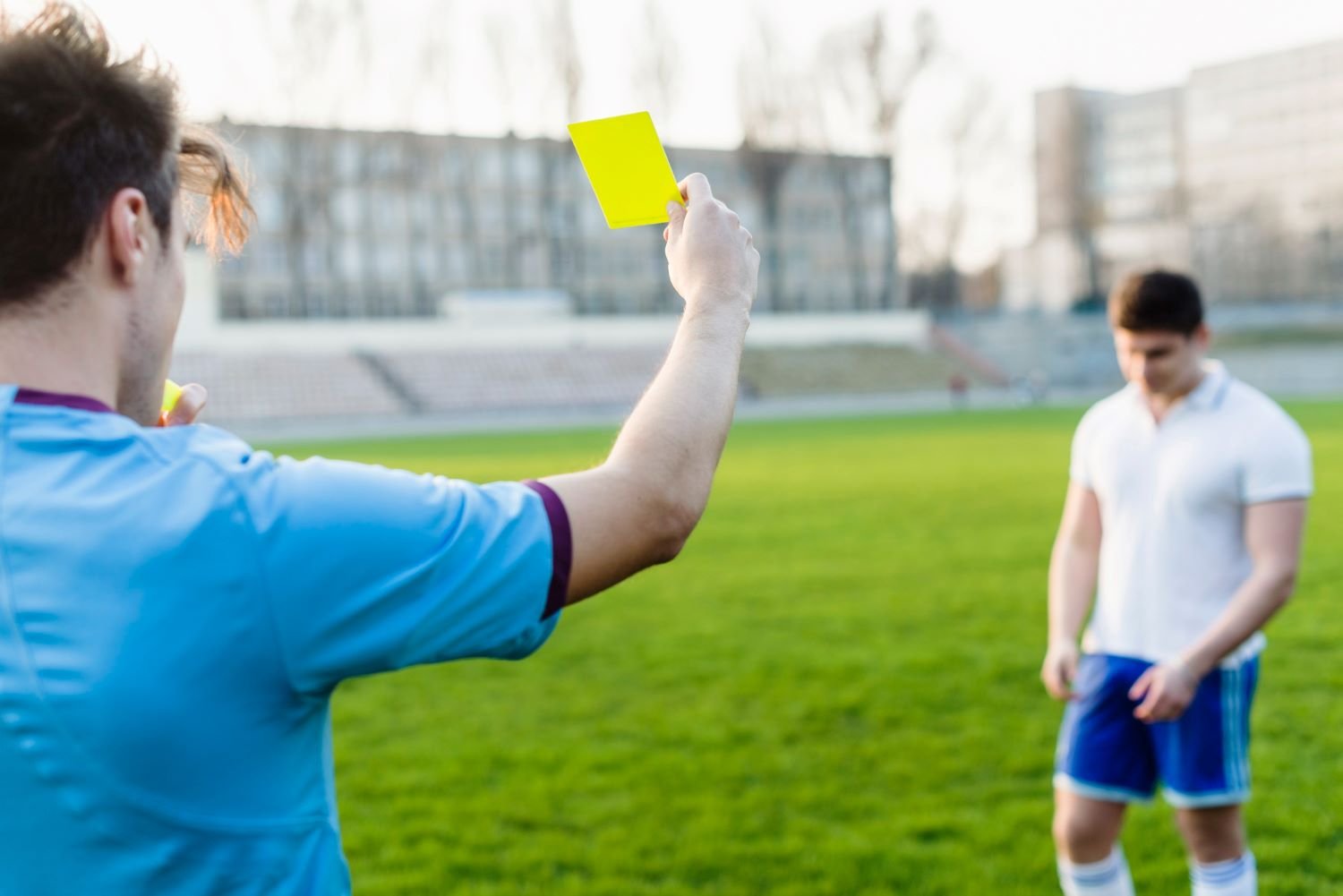
Referees and umpires are essential to sports. They enforce rules, manage games, protect fairness, and make difficult decisions under pressure. Without officials, competition would quickly become chaotic.
In American sports, officials work in football, basketball, baseball, hockey, soccer, tennis, and many other games. Their job is not easy. They must watch fast action, interpret rules, and make calls in real time. Sometimes a decision must be made in a fraction of a second.
Fans often criticize referees when calls go against their team. Social media has made this criticism louder. A missed call can become a national controversy within minutes. But officials are human, and sports are fast.
Technology has changed officiating. Instant replay, video review, challenge systems, goal-line technology, and camera angles help correct some mistakes. However, replay can also slow games and create new debates. Even with technology, some calls involve judgment.
Respect for officials is important, especially in youth sports. When parents and coaches abuse referees, it discourages people from officiating. Many communities face shortages of youth sports officials because the environment can be hostile.
Officials also protect player safety. They call fouls, penalties, illegal hits, and dangerous behavior. This helps keep games competitive but controlled.
A good referee is often unnoticed. If the game flows smoothly and players respect the rules, officials have done their job well.
Sports need rules, and rules need people to enforce them. Referees and umpires may not be the stars, but they are part of the foundation of fair competition.
Without officials, sports would lose structure, trust, and integrity.