
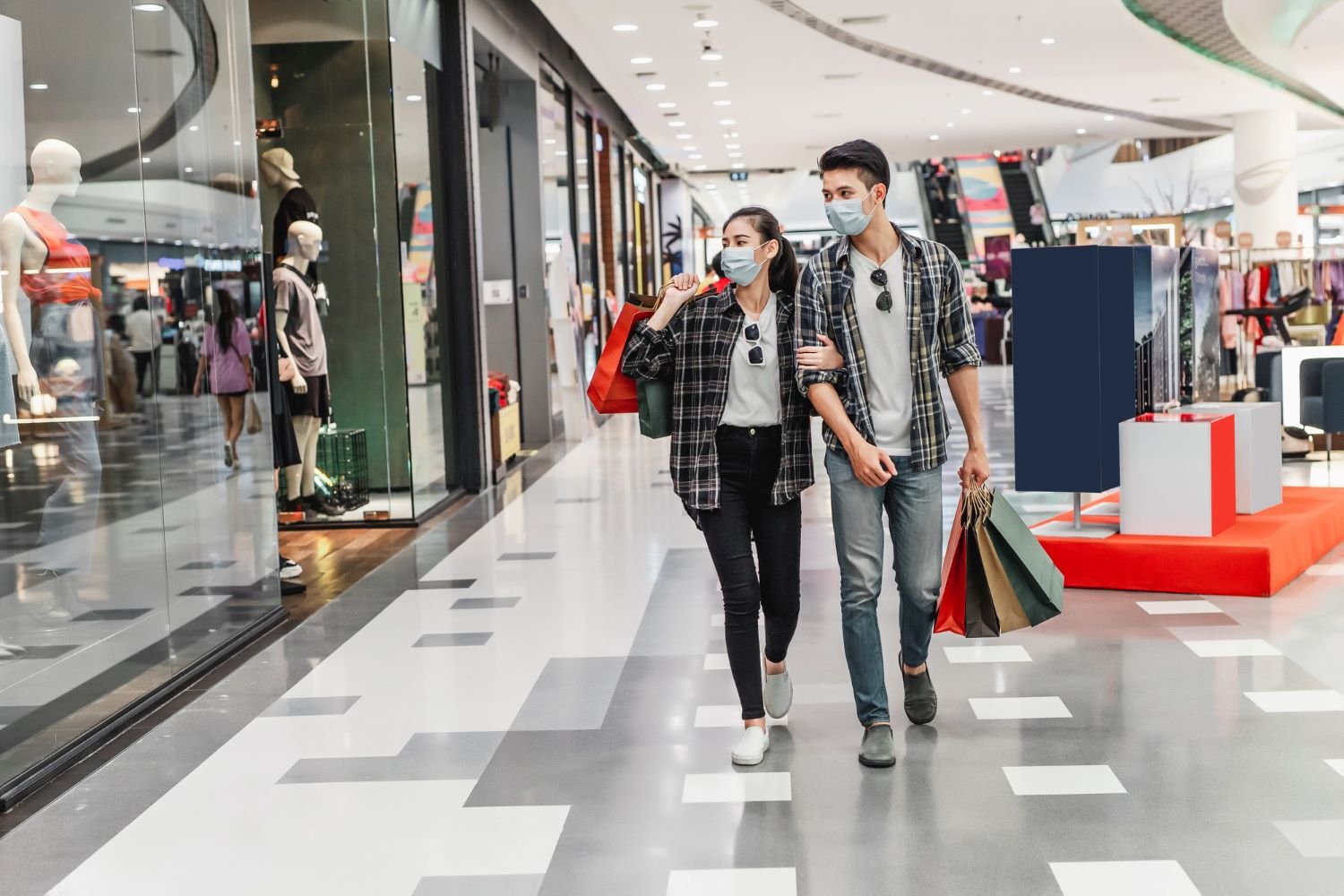
Shopping malls were once a major part of American life. Families spent weekends there, teenagers met friends, and shoppers visited department stores, food courts, movie theaters, and clothing shops. For decades, malls represented comfort, convenience, and consumer culture.
Today, many malls face challenges. Online shopping has changed how Americans buy products. People can order clothes, electronics, groceries, and household items from home. This has reduced foot traffic in many traditional malls.
Department stores, which once served as mall anchors, have also struggled. When large stores close, smaller shops lose customers. Some malls become empty, while others search for new purposes.
However, malls are not completely disappearing. Successful malls are changing. Instead of relying only on retail, they are adding restaurants, gyms, medical offices, apartments, entertainment centers, coworking spaces, and event venues. Some malls are becoming mixed-use communities.
This shift reflects a larger change in American life. People no longer visit malls only to buy things. They want experiences. Dining, movies, live events, children’s play areas, fitness, and social spaces can bring people back.
Location matters. Malls in wealthy or growing areas may survive better than malls in declining regions. Strong management, modern design, and unique stores also help.
Old malls can also be reused for community needs. Some have become schools, churches, offices, warehouses, or housing developments. This shows that mall spaces still have value even if traditional retail changes.
The future of American malls will depend on creativity. The old model may not work everywhere, but the idea of a shared public shopping and social space still has appeal.
Malls must evolve from shopping centers into lifestyle centers.