
Raising vegan children is a topic many American families are exploring. Some parents choose veganism for ethical, environmental, religious, or health reasons. With proper planning, children can eat nutritious plant-based diets, but parents must be careful and informed.
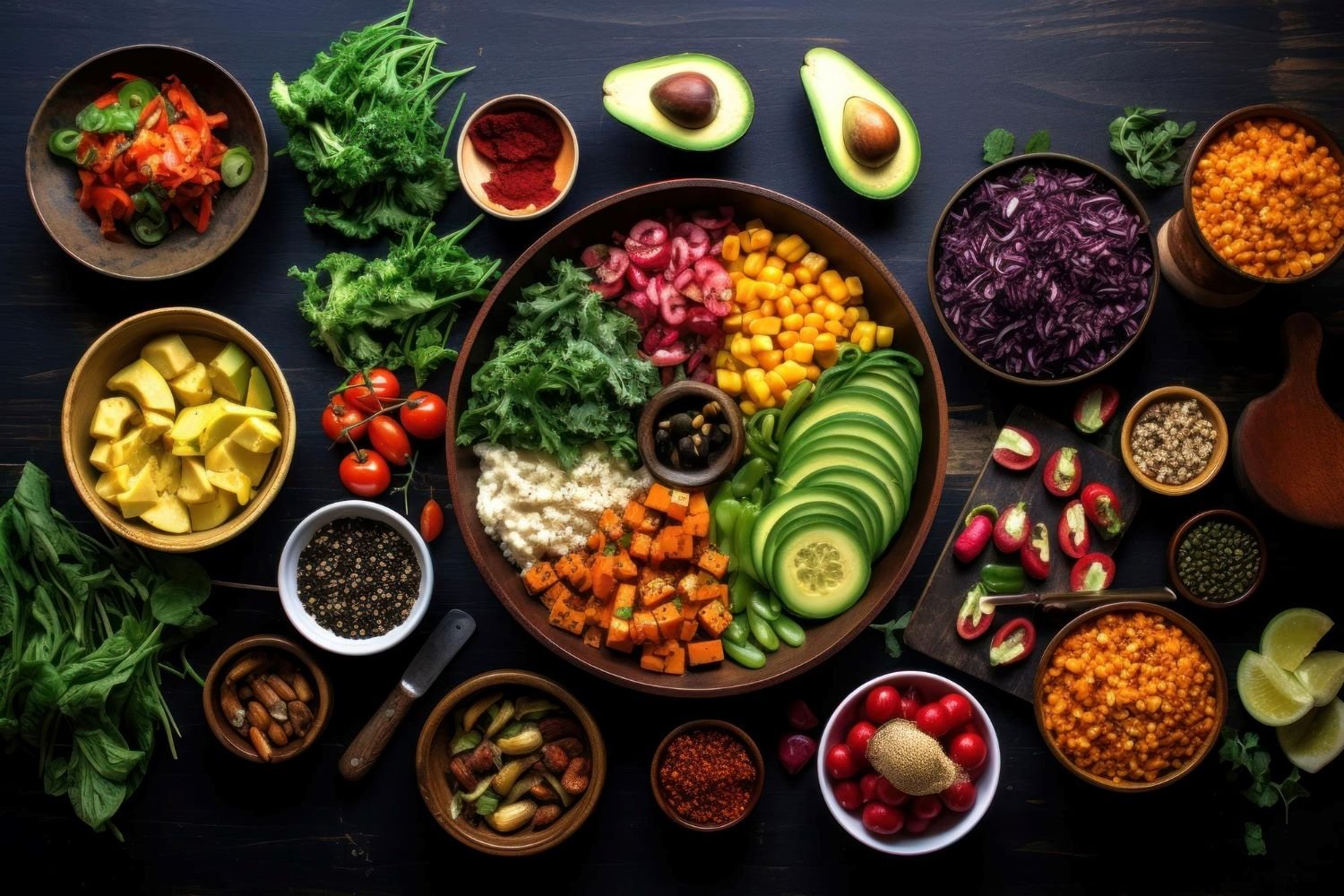
Children need enough calories because they are growing. A vegan child’s diet should include whole grains, beans, lentils, tofu, soy milk, nut butters, seeds, fruits, vegetables, and healthy fats. Meals should not be too low in calories or protein.
Important nutrients include vitamin B12, iron, calcium, vitamin D, omega-3 fats, iodine, zinc, and protein. Vitamin B12 is especially important because it usually requires fortified foods or supplements. Parents should speak with pediatricians or dietitians when planning a child’s diet.
School lunches can be managed with planning. Sandwiches, pasta, rice bowls, fruit, snacks, hummus, wraps, and dairy-free yogurt can work well. Parents may need to communicate with schools about meal options.
Social situations can be challenging. Birthday parties, school events, and family gatherings often include non-vegan foods. Children should not feel isolated or ashamed. Parents can pack vegan treats or discuss options with hosts.
Taste is very important. Kids are more likely to enjoy vegan food when meals are familiar and flavorful. Vegan pancakes, pasta, tacos, smoothies, burgers, soups, and sandwiches can feel normal.
A vegan family lifestyle should be positive, not stressful. Children should learn compassion, nutrition, and respect for others.
Vegan kids can thrive when their diets are balanced and their families are supportive. The key is planning, education, and flexibility.